


Freeride in the Lyngen Alps - When World-Class Guiding Meets Business-Class Headaches

A Norwegian lodge's inside view on reliability, certification, and the B2B booking process with ski guides.
For any hotelier or lodge manager operating in an adventure tourism destination, the guest experience extends far beyond the duvet and the dinner menu. The promise you make at reception is often fulfilled on the mountain. Nowhere is this more acute than in the Lyngen Alps of Northern Norway - a mecca for freeride skiing and ski touring, famous for its "summit-to-sea" descents and reliable snow cover well into late spring.
From the outside, Lyngen looks like a flawless product: staggering terrain, premium accommodation, and guides certified to the highest global standard (IFMGA/NORTIND). But for those of us managing the lodges and handling the B2B partnerships, there is a persistent operational friction that our colleagues in the French Alps - from Chamonix to Val d'Isère - will recognise all too well.
This analysis, drawn from on-the-ground experience in Lyngen, explores the gap between a guide's technical brilliance and their commercial reliability.
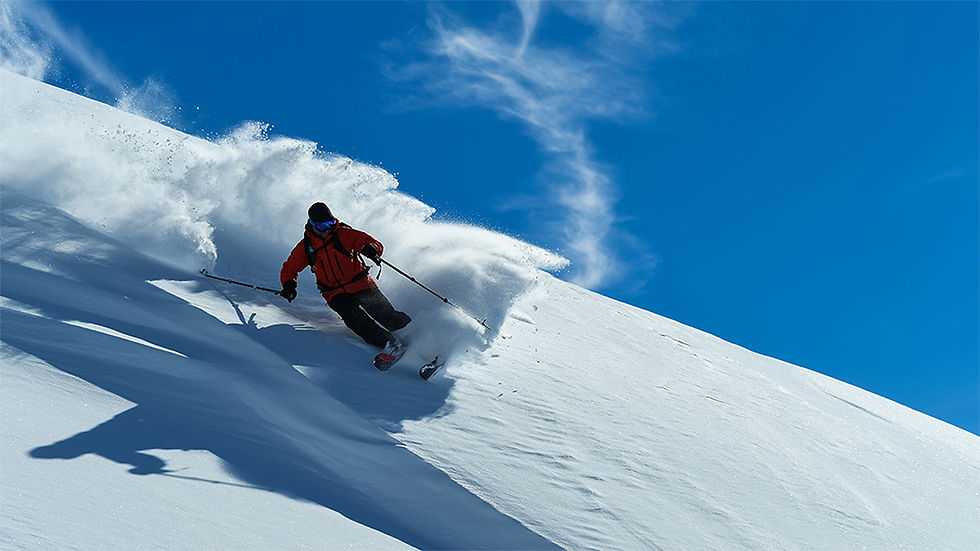
The Strengths: Safety You Can Bank On
First, the good news. When it comes to the core product - keeping clients safe in complex, avalanche-prone terrain - the system works.
1. The IFMGA Gold Standard
The certification provided by NORTIND (the Norwegian member of the International Federation of Mountain Guides Associations) is non-negotiable and world-class. A guide holding this ticket has spent 5–10 years training in avalanche forecasting, crevasse rescue, and client psychology. For a B2B partner, this credential is a powerful shield. It signifies a level of due diligence that protects the lodge's reputation and reduces liability exposure significantly.
2. The Vertical Integration Model
The most seamless experience in Lyngen comes from properties which employ in-house guide teams. This is the gold standard of professionalism. The booking process is centralised, the communication is instant, and the guide's priorities are aligned with the lodge's reputation. For the hotel industry, this is the equivalent of a seamless all-inclusive package - zero friction, maximum guest satisfaction.
The Weaknesses: The "Cowboy" Culture Meets the Front Desk
This is where the picturesque postcard of Lyngen gets creased. The gap between mountain craft and business administration is vast, and it often falls to the lodge receptionist or manager to bridge it.
1. The Unregulated "Free Agent"
In Norway, mountain guiding is not a protected profession. While most reputable operators are IFMGA certified, there is a persistent "cowboy culture" of unqualified or semi-qualified guides operating on the fringes. Even among certified guides, the lifestyle attracts a nomadic, seasonal workforce. While excellent on skis, these independent operators are often commercially unreliable.
The Reality: A guide cancels a day of skiing at 21:00 the night before because the snow conditions "aren't fun enough" or because a private helicopter booking came up.
The Lodge Impact: A furious guest staring at a reception desk, demanding to know why their £10,000 holiday is compromised, and an empty room that cannot be resold.
2. Archaic Booking Infrastructure
If you are used to the instant confirmation of a Channel Manager or a GDS, working with independent guides feels like stepping back into the 1990s. Many guides manage their calendars via scattered spreadsheets and communicate sporadically via WhatsApp or email.
B2B Friction: For a travel advisor or lodge manager trying to lock in a last-minute premium booking, waiting 48 hours for a simple "Yes, I am available" is commercially unacceptable. There is no API integration, no live availability, and no professional Service Level Agreement (SLA).
3. Risky Payment Behaviour
The financial side of the transaction is a minefield. Terms are often arbitrary and dictated by the guide's personal cash flow needs rather than industry norms.
Deposit Risk: It is not uncommon to receive a demand for a 100% advance payment via international bank transfer. Should the guide fail to show up (due to illness, weather, or a better offer), the lodge has zero consumer protection and faces a complex cross-border dispute.
Invoicing Delays: Guides who spend 10 hours a day in the mountains are rarely at their desks processing invoices, leading to frustrating accounting backlogs for the lodge's finance department.
4. The Hidden Legal Trap: Passenger Transport (PCV Licence)
This is a critical detail that has become a hot topic in Northern Norway since the winter of 2026. A guide who drives clients in their personal vehicle as part of a guiding package is legally required to hold a Passenger Carrying Vehicle (PCV) licence - effectively a taxi licence.
The Risk: If a guide is stopped by police and fined for operating without a PCV licence, the guests are left stranded at the roadside. The lodge that recommended that guide is then implicated in the service failure, even though the lodge had no control over the vehicle.
Strategic Recommendations for Hospitality Professionals
Whether you operate a chalet in the Three Valleys or an agency in Courchevel, the dynamics in Lyngen offer a clear roadmap for de-risking your adventure partnerships.
Strategic Focus | Actionable Steps for Hotels & Lodges |
1. Prioritise Structured Partners | Work exclusively with Guides' Bureaus (Compagnies des Guides) or larger guiding companies with a back office. Avoid relying on a single "star" freelancer who has no administrative support. |
2. Audit the Business, Not Just the Badge | Verify the IFMGA/UIAGM card, yes. But also require: Proof of Professional Indemnity Insurance and a Copy of their Cancellation Policy. Test their email response time before you sign a partnership agreement. |
3. Create a B2B "Whitelist" | Limit your internal recommendation list to 2-3 trusted partners. Formalise this with a Memorandum of Understanding (MoU) that clearly defines commission structures, response times, and liability boundaries. |
4. Segregate Transportation Liability | Don't just sell a room and a phone number for a guide. Curate a "Fully Guided Freeride Week" package. By bundling the guide's fee into your hotel invoice, you retain control of the client relationship and the cash flow, presenting a seamless, premium product. |
5. Sell "Turnkey" Packages | Don't just sell a room and a phone number for a guide. Curate a "Fully Guided Freeride Week" package. By bundling the guide's fee into your hotel invoice, you retain control of the client relationship and the cash flow, presenting a seamless, premium product. |
Conclusion
The Lyngen Alps offer a stark but valuable lesson for the global hospitality industry. The outdoor guiding profession is built on an artisan ethos of autonomy and risk management. That ethos creates brilliant skiers and mountaineers, but it does not automatically create reliable B2B suppliers.
For hoteliers, the key to success in the freeride market is not to expect guides to become corporate administrators. The key is to curate your partners with the same rigour you apply to your wine list. By selecting partners who offer professional business infrastructure alongside world-class safety credentials, you mitigate the "avalanche of admin" and deliver the flawless adventure your guests are paying for.
After all, in luxury adventure travel, the most dangerous terrain is not the north face of the mountain - it's the gap between a booking confirmation and a guide's voicemail inbox. Author: Michael Reuter


Comments